Exploring the Impact of Cultural Events on Community Engagement
Cultural events play a significant role in fostering community engagement. This article delves into how these events influence community bonds and contribute to social cohesion, particularly in urban settings like Las Vegas.
Understanding the Basics
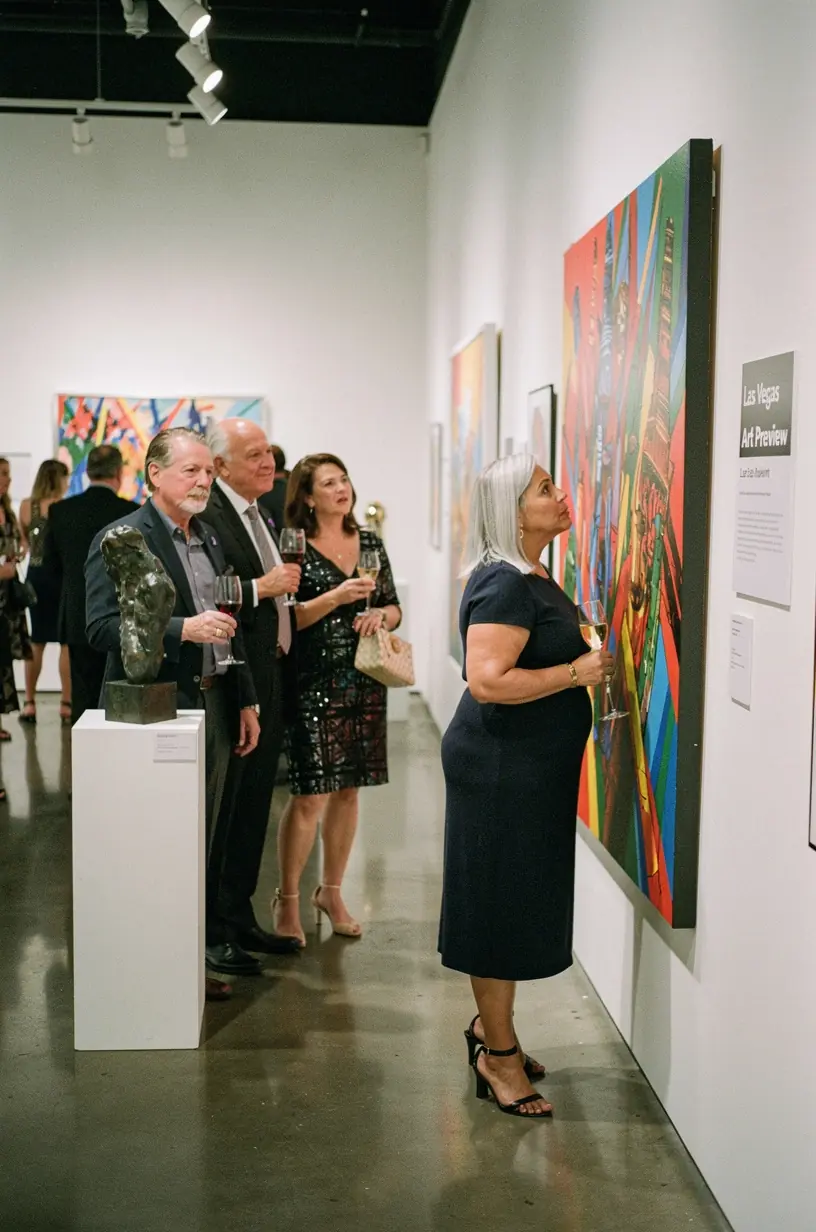
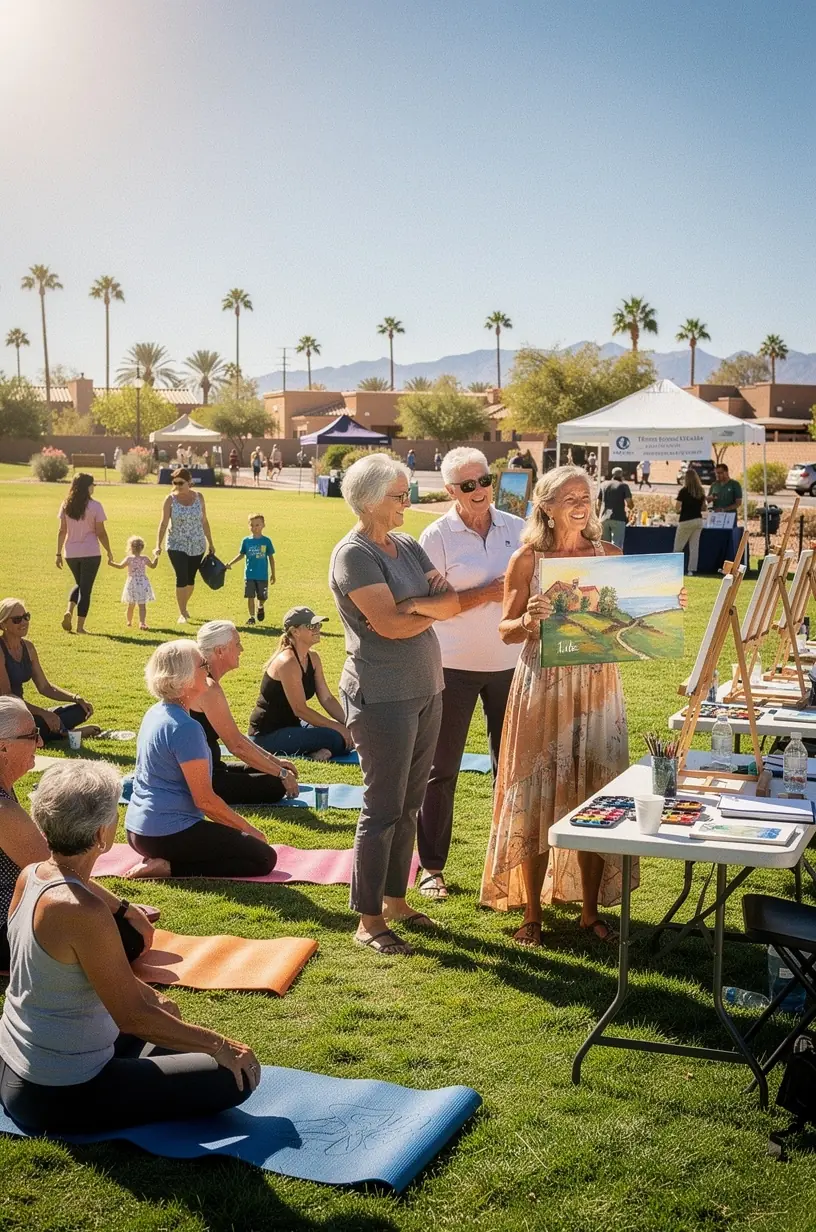
Cultural events are often organized to celebrate local traditions, arts, and history. According to research conducted by the National Endowment for the Arts, community-based cultural events can enhance social ties and promote civic involvement. These events typically bring diverse groups of people together, creating opportunities for interaction and collaboration.
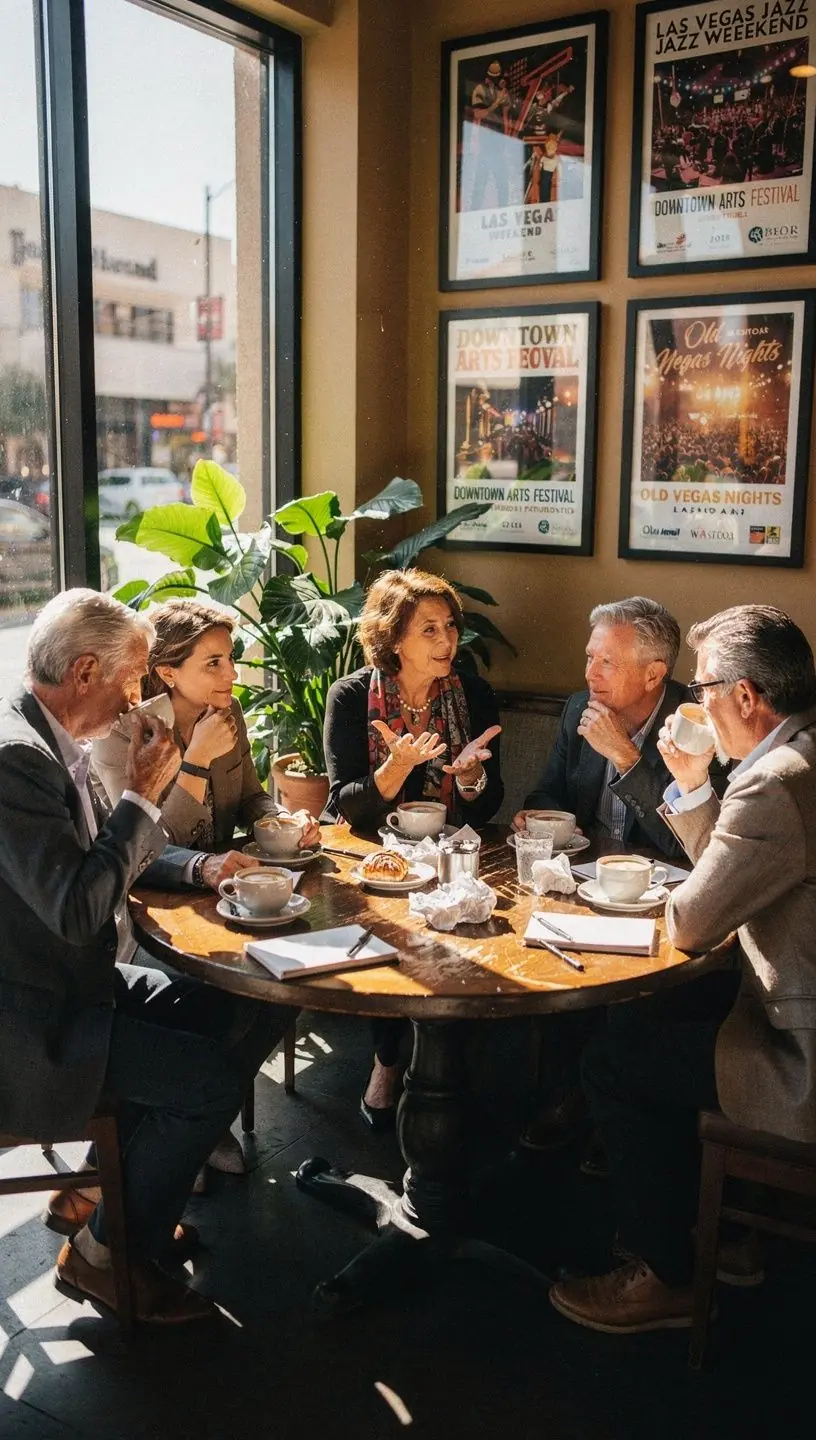
"Cultural events foster a sense of belonging and identity, crucial for community well-being." - Arts and Community Research Journal
The Role of Cultural Events in Community Engagement
Organizing cultural events can lead to numerous benefits for communities:
- Enhancing Social Connections: These events often create informal environments where residents can meet new people and strengthen existing relationships.
- Encouraging Civic Participation: Many studies suggest that participation in local cultural events can increase civic involvement, leading to higher voter turnout and greater community activism.
- Promoting Local Identity: Events that highlight local culture and heritage can foster a sense of pride among residents, reinforcing community identity.
Case Studies and Research Findings
A study by the American Journal of Community Psychology found that areas with a higher frequency of cultural events often report greater community satisfaction and involvement. Furthermore, these events can stimulate local economies by attracting tourists, which in turn supports local businesses.
Challenges and Limitations
While cultural events can significantly enhance community engagement, they do come with challenges:
- Resource Intensive: Organizing successful events often requires substantial time and funding. Communities need to invest in planning and promotional efforts.
- Participation Variability: Not all events attract equal participation across different demographics, which can lead to disparities in community engagement.
- Weather and Timing Constraints: Outdoor events are typically at the mercy of weather conditions, which can deter attendance and participation.
Strategies for Successful Cultural Events
To maximize the impact of cultural events on community engagement, consider the following strategies:
- Inclusive Planning: Involve community members in the planning process to ensure events reflect diverse interests and demographics.
- Effective Promotion: Utilize multiple channels, including social media and local organizations, to reach a wider audience.
- Feedback Mechanism: Establish a system for gathering feedback post-event to assess community needs and preferences for future events.
Conclusion
Cultural events have the potential to transform communities, enhancing social connections and fostering civic engagement. While organizing these events typically requires significant effort and resources, the rewards—stronger community ties, increased local pride, and economic stimulation—are often well worth the investment. By prioritizing inclusivity and effective planning, communities like those in Las Vegas can create enriching cultural experiences that resonate with residents for years to come.
Discover More