The Role of Local Art in City Events and Cultural Identity
Local art is not just an aesthetic enhancement to city events; it plays a significant role in shaping cultural identity and fostering community engagement. Understanding its impact can provide insights into how cities can enhance their cultural landscape.
Understanding the Basics
Local art often serves as a reflection of a community's values and history. According to cultural studies, art can illustrate shared experiences and foster a sense of belonging among residents, making it a vital part of city events. It typically enhances the atmosphere, encourages participation, and often highlights local talent.

"Art can act as a bridge between diverse communities, fostering dialogue and understanding." – Cultural Sociologist
The Impact on Cultural Identity
Many experts recommend integrating local art into city events to strengthen cultural identity. This integration can manifest in various forms, including murals, performances, and art installations. Such initiatives not only beautify urban spaces but also connect the past with the present, allowing residents and visitors to engage with local narratives.
Why This Matters
Research indicates that cities that prioritize local art in events often see increased community pride and participation. This is evidenced in studies which show that cultural engagement can enhance social cohesion and reduce feelings of isolation among residents.
Practical Application
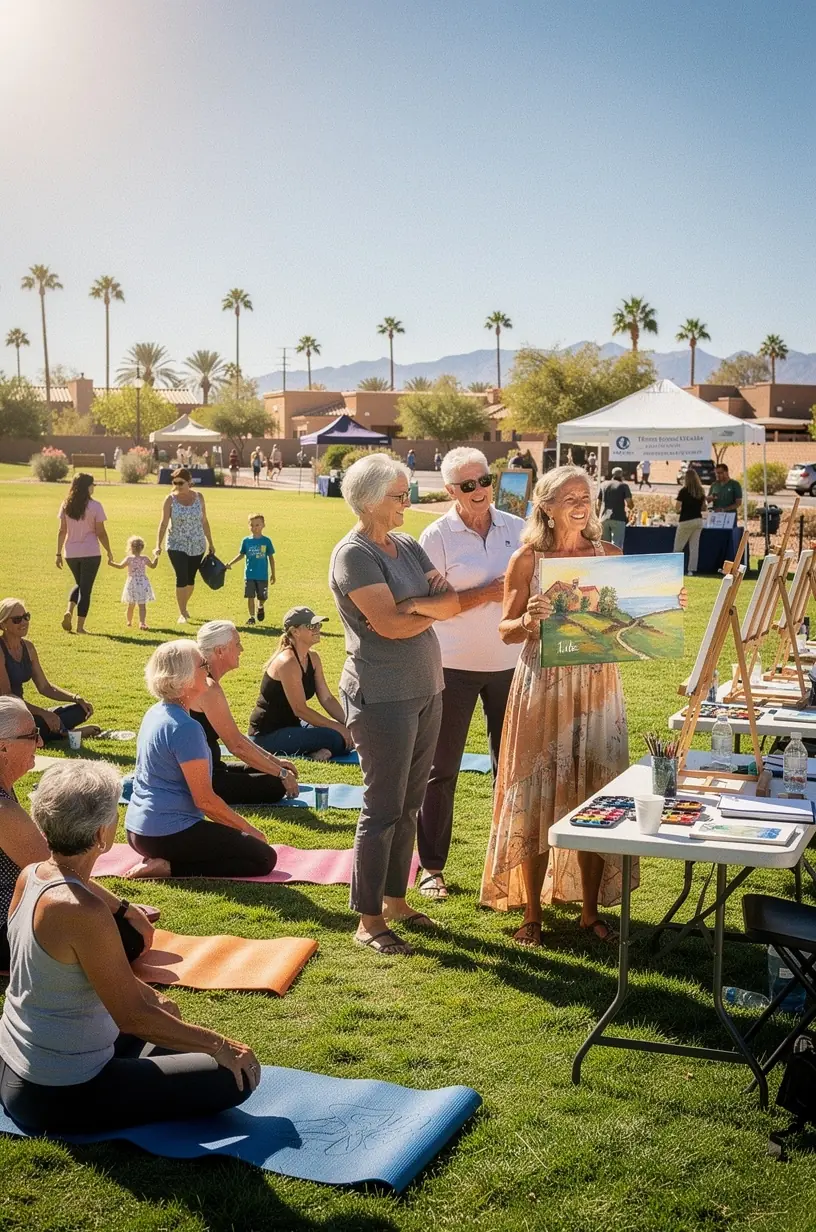
- Engagement Strategies: Implementing workshops and collaborative projects can involve community members directly in the artistic process, fostering ownership and pride in the final products.
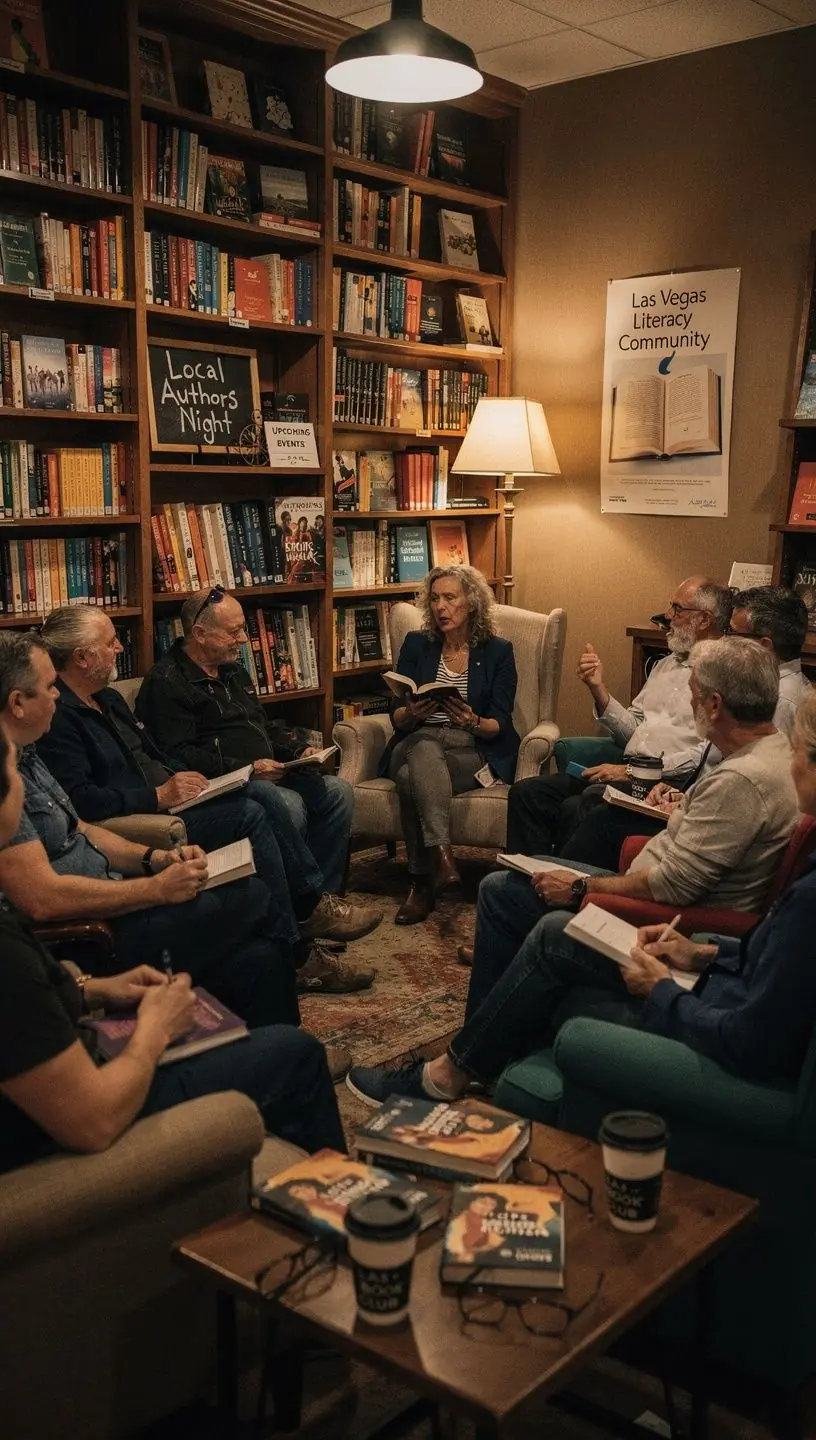
- Showcase Local Talent: Events should include spaces for local artists to exhibit their work, which can not only boost the artists' visibility but also create a dynamic atmosphere that attracts more attendees.
- Feedback and Iteration: It is essential to gather feedback from participants to refine future events, ensuring that they resonate with community interests and values.
Acknowledging Limitations
While integrating local art into city events can be highly beneficial, it requires careful planning and investment. Typically, the process involves multiple stages, including outreach, collaboration with artists, and logistical arrangements, which can take time and resources. In most cases, events that feature art require commitment from the community and local government to ensure sustainability.
Conclusion
In conclusion, local art plays an essential role in city events and the broader cultural identity of communities. By incorporating art into these events, cities can enhance engagement, foster pride, and create a richer cultural tapestry. Moving forward, it is crucial for city planners and event organizers to prioritize local artistic contributions, ensuring that their events not only entertain but also educate and unify.